
New installs and replacements
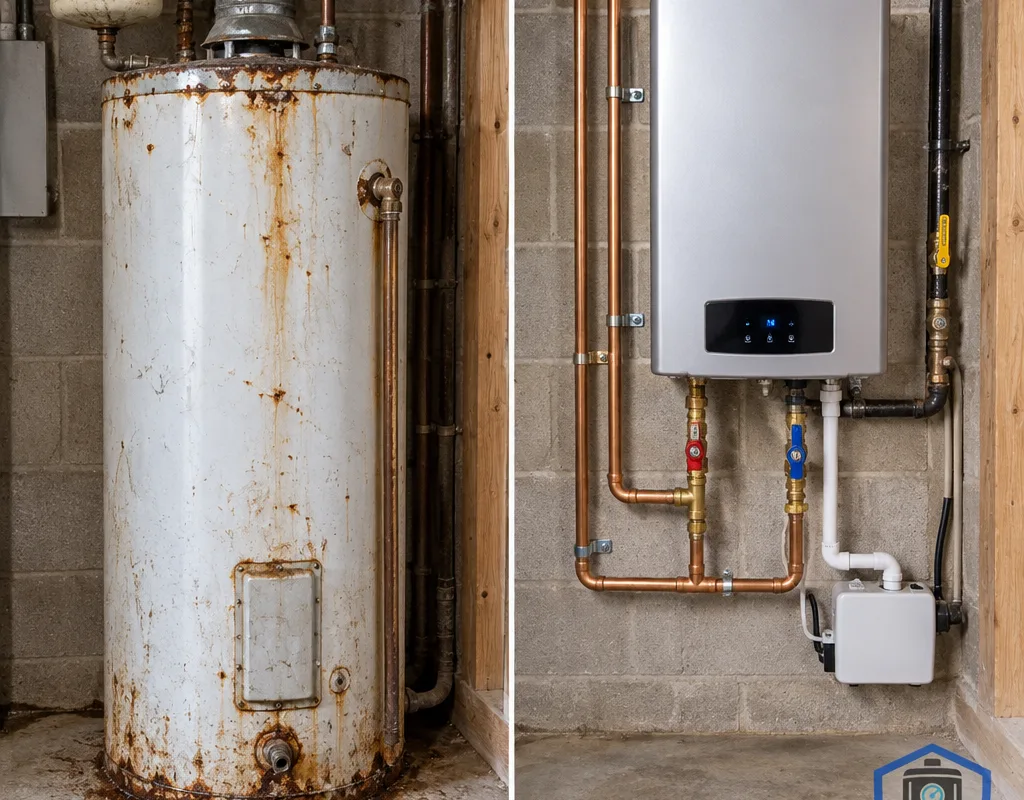
Installation of gas or electric tankless units, swap-outs when your current unit has failed, and code-aware piping and venting so the system runs safely and can be serviced.
Serving Chesapeake, Virginia & surrounding areas
Mon–Fri 8am–6pm Sat 9am–2pm
Get a properly sized tankless system, clean venting and gas or electrical connections, and a written scope that explains the real installation cost before work starts.
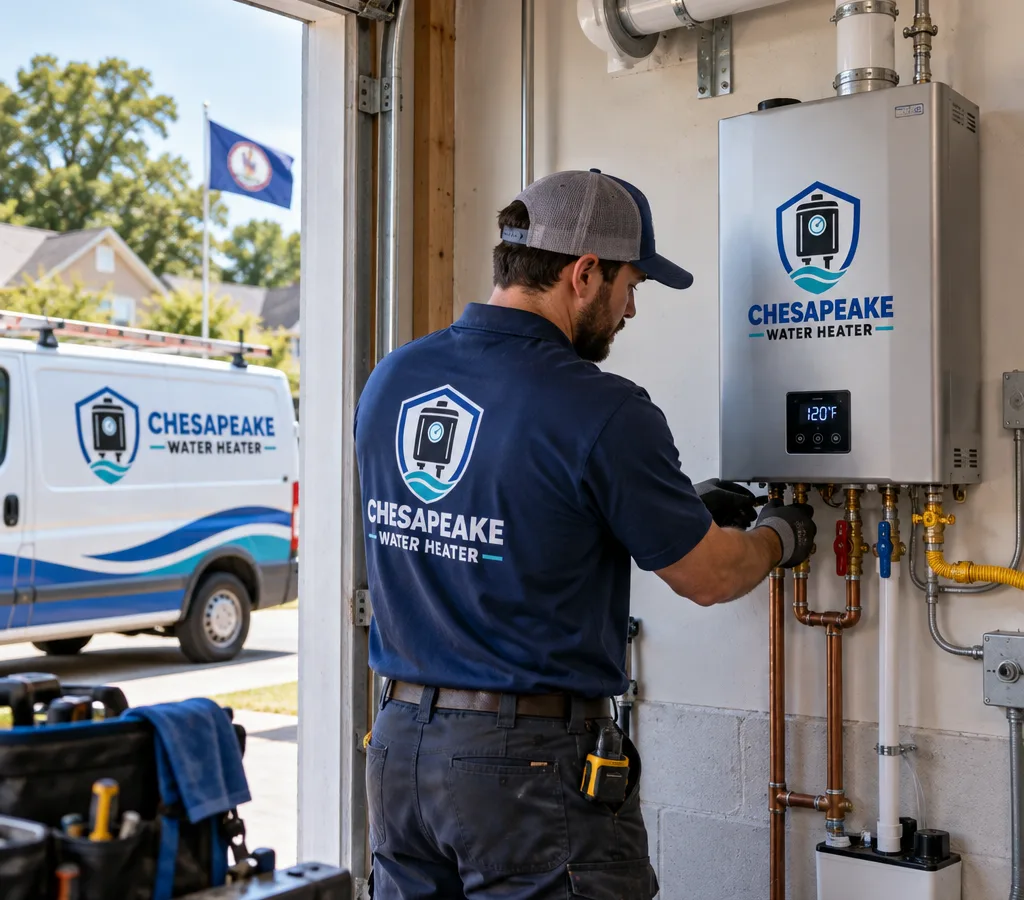
Hiring a tankless water heater installer is mostly about getting the details right. A tankless unit can perform well for years, but only if it is correctly sized for your hot water demand and installed with the right gas line capacity or electrical supply, approved venting, safe condensate handling when required, and service valves for maintenance.
At Chesapeake Water Heater, we install and replace tankless systems for homes across Chesapeake, VA, including properties where the heater sits in a garage, attic, or interior utility closet. In neighborhoods with a mix of older and newer housing like Greenbrier, the best solution depends on what the home already has: natural gas versus electric, available vent routes, and whether existing water and drain lines allow a clean layout.
If you are dealing with an urgent loss of hot water right now, our team also handles water heater repair and can help you decide whether repair or replacement makes more sense after an on-site check.
Installation of gas or electric tankless units, swap-outs when your current unit has failed, and code-aware piping and venting so the system runs safely and can be serviced.
Converting from a storage tank often means changes to venting, gas line sizing, electrical circuits, and the plumbing layout. We map those requirements up front so the scope is clear.
Troubleshooting error codes, ignition and flame issues on gas units, scale-related flow and temperature problems, leaks at isolation valves or connections, and recirculation issues.
Routine service to keep the heat exchanger clean and the unit operating smoothly, including inspection of inlet screens, combustion air, venting condition, and safety checks.
Descaling flush using proper isolation valves and service ports to remove mineral buildup that causes temperature swings, reduced flow, and premature component wear.
Tankless water heater installation in Chesapeake typically ranges from about $3,200 to $8,500+, depending on fuel type and how much rework the home needs. A straightforward replacement where venting and utility connections already match the new unit often lands around $3,200 to $5,500, while a tank to tankless conversion with new venting, gas line changes, condensate routing, or electrical work commonly runs $5,500 to $8,500+.
Your final price changes with unit size, vent length and material, gas line sizing, electrical circuit needs, access such as an attic, garage, or closet, permit requirements, and any corrosion or shutoff issues discovered at tie-in points. The exact cost is confirmed after an on-site inspection and written scope.
The most common tankless complaints are predictable: temperature swings, long waits, and the unit struggling when more than one fixture runs. In many cases, it comes back to sizing—flow demand and temperature rise—and to where the heater is located relative to the bathrooms and kitchen.
During a tankless water heater installation in Chesapeake, we look at:
For homes around Deep Creek and other areas with a mix of crawlspaces, garages, and interior mechanical closets, access and routing can change the install approach. We recommend a layout that is serviceable, not just a unit that fits on the wall.
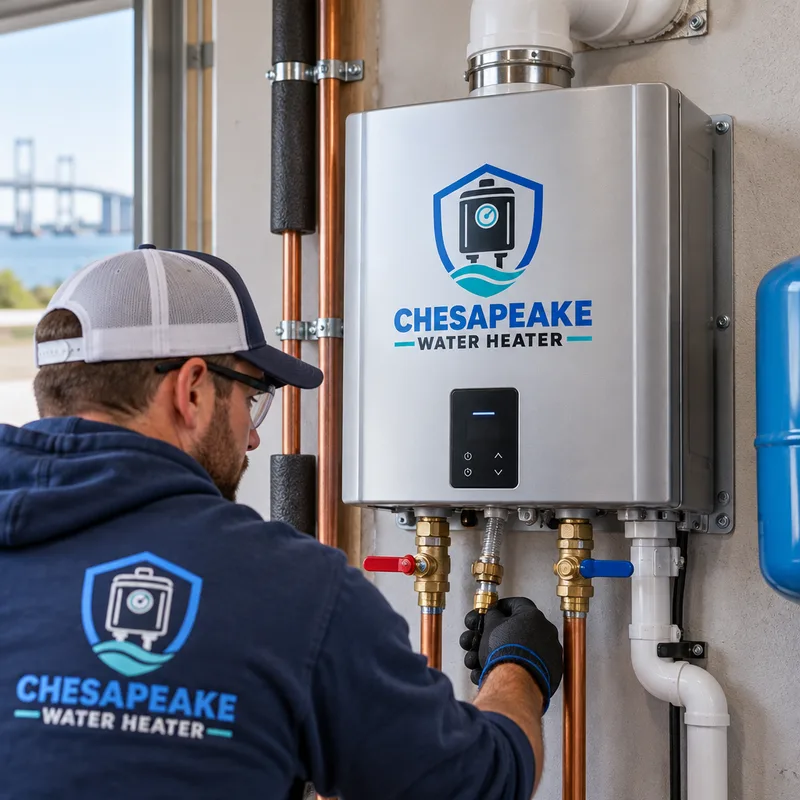
We check fuel type, venting route, gas line or electrical capacity, water line condition, and where the unit can be mounted and serviced. If you are replacing an older tankless, we also confirm compatibility with existing venting and condensate routing.
You get a clear scope that calls out what is included: unit placement, piping changes, vent work, shutoffs, isolation valves, and any needed upgrades. This is where most of the tankless water heater installation cost gets clarified.
We remove old equipment as needed, mount the unit, complete plumbing tie-ins, venting for gas, and power or gas connections. We keep the layout tidy so future maintenance and flushing is straightforward.
We verify safe operation, check for leaks, confirm temperature stability, and review basic operation and maintenance timing. If the system uses recirculation, we test that function and help you understand how it affects comfort.
Clean connections, service access, and maintainable layouts all matter after the installation is finished.
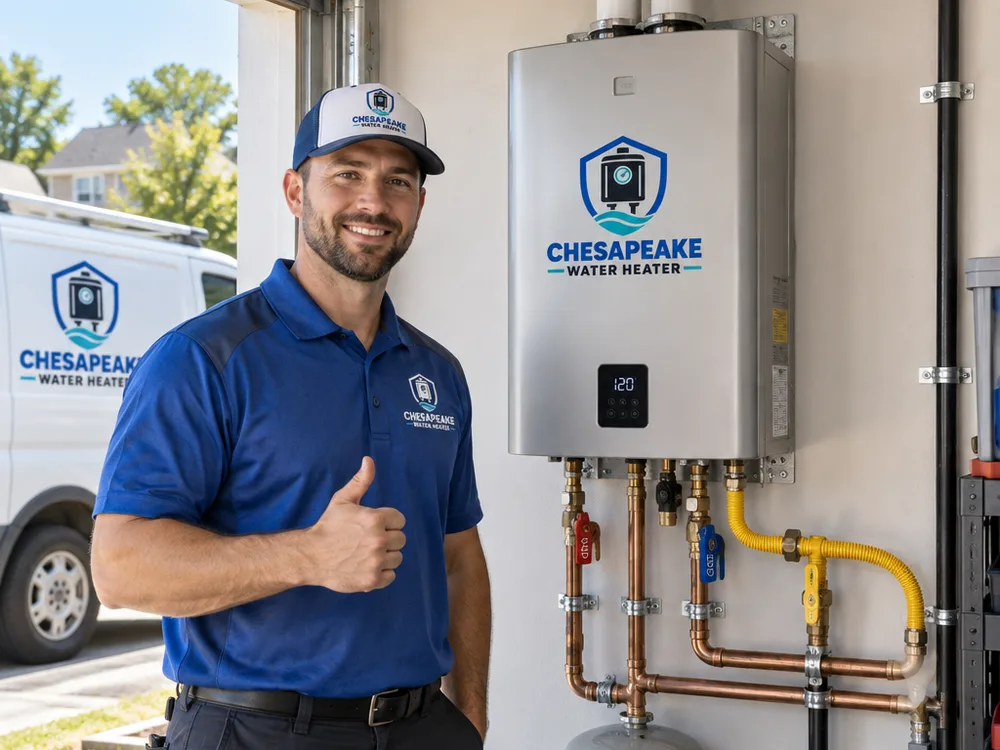
“We switched from a tank heater to tankless and the estimate spelled out the venting and gas line work so there weren't any surprises. The install looks clean and the temperature is steady even when two showers run.”
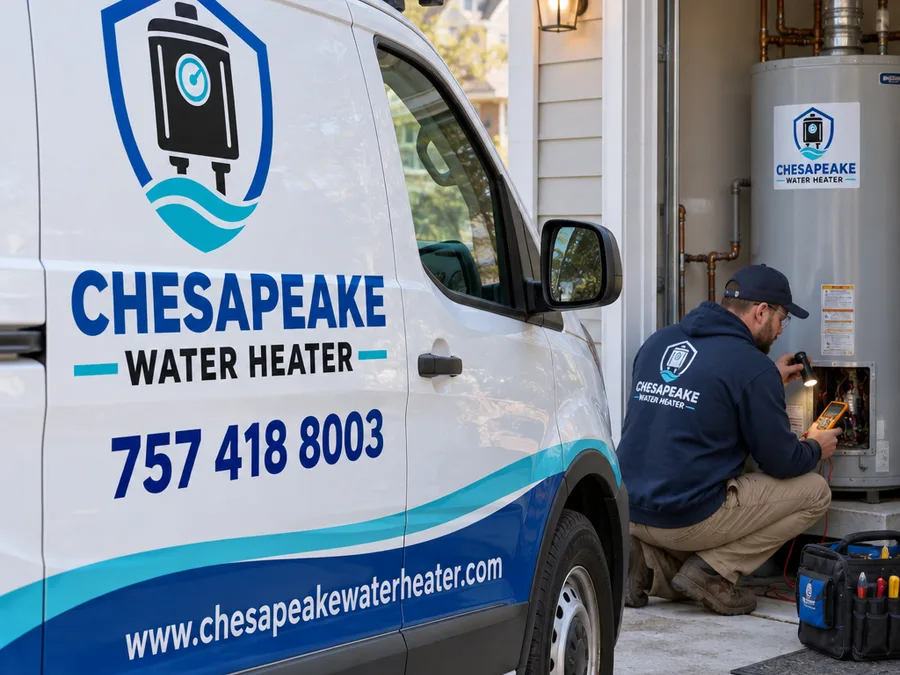
“Our tankless started throwing an error code and cycling off. They diagnosed it quickly, explained what failed, and got hot water back the same day.”
Tell us what you have now—tank or tankless, gas or electric—and where the unit is located. We'll confirm feasibility, recommend the right size, and provide a written scope that explains the installation cost and maintenance needs.